
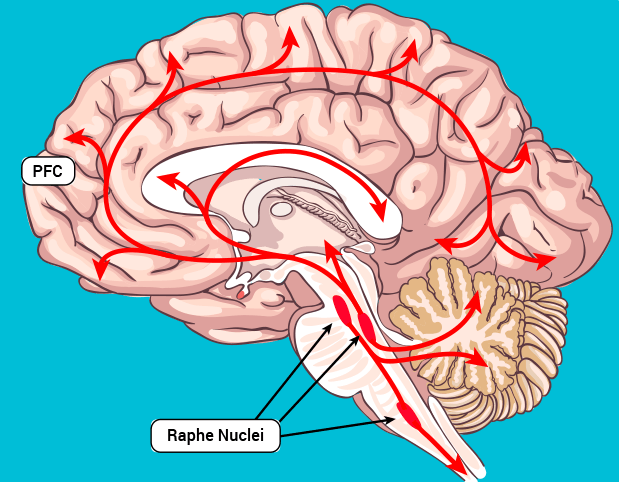
As we age, many changes take place in our bodies, including changes in brain chemistry. One of the chemicals that may play a role in the aging process is serotonin, a neurotransmitter that helps regulate mood, appetite, and sleep. In this article, we will explore the relationship between serotonin and aging, including how serotonin levels change with age, how this affects our physical and mental health, and what we can do to support healthy serotonin levels as we age.
What is Serotonin?
Serotonin is a neurotransmitter, which means it’s a chemical that helps transmit signals between nerve cells in the brain. It’s often referred to as the “feel-good” chemical because it’s associated with feelings of happiness, well-being, and satisfaction. Serotonin also plays a role in regulating appetite, sleep, and sexual function.
How Does Serotonin Change with Age?
As we age, serotonin levels in the brain tend to decrease. This is partly because the brain produces less serotonin as we get older, but it’s also because the receptors that respond to serotonin become less sensitive. This means that even if there is enough serotonin in the brain, it may not be as effective at transmitting signals between nerve cells.
The decrease in serotonin levels can have several effects on physical and mental health. For example, low levels of serotonin have been linked to depression, anxiety, and sleep disorders. Serotonin is also important for regulating appetite, and low levels have been associated with weight gain and obesity.
In addition to affecting mental and physical health, low serotonin levels may also contribute to the aging process itself. Studies have shown that low serotonin levels can lead to oxidative stress, inflammation, and cellular damage, all of which are associated with aging.
What Can We Do to Support Healthy Serotonin Levels?
While it’s natural for serotonin levels to decrease as we age, there are several things we can do to support healthy levels:
- Exercise regularly: Exercise has been shown to increase serotonin levels in the brain, so regular physical activity can help maintain healthy levels as we age.
- Eat a balanced diet: Serotonin is produced from the amino acid tryptophan, which is found in many protein-rich foods. Eating a balanced diet that includes plenty of protein, fruits, and vegetables can help support healthy serotonin levels.
- Get enough sleep: Serotonin plays a role in regulating sleep, so getting enough restful sleep is important for maintaining healthy levels.
- Manage stress: Chronic stress can lead to low serotonin levels, so finding healthy ways to manage stress, such as meditation or yoga, can help support healthy serotonin levels.
- Consider supplements: There are several supplements that may help support healthy serotonin levels, such as 5-HTP and St. John’s Wort. However, it’s important to talk to a healthcare provider before taking any supplements, as they can interact with medications and have side effects.
So Serotonin plays an important role in physical and mental health, and its levels naturally decrease as we age. However, there are several things we can do to support healthy serotonin levels, including regular exercise, a balanced diet, getting enough sleep, managing stress, and considering supplements. By taking care of our serotonin levels as we age, we may be able to support healthy aging and overall well-being.
 Extend your life. Now.