
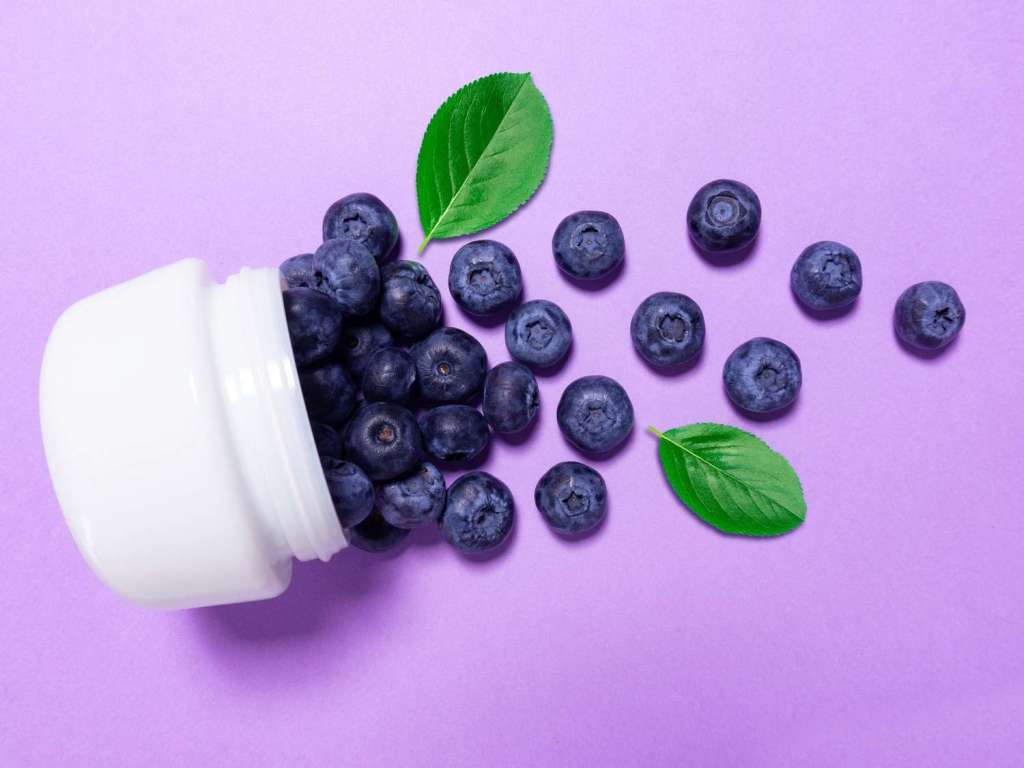
Resveratrol is a naturally occurring compound found in various plants, including grapes, peanuts, and berries. It is classified as a polyphenol, which is a type of antioxidant that can help protect the body against oxidative stress.
Resveratrol has gained attention in recent years for its potential health benefits, particularly its anti-aging effects. It has been studied for its potential to promote longevity, improve cardiovascular health, and reduce inflammation.
Studies in animals have shown that resveratrol can increase lifespan and delay the onset of age-related diseases, such as Alzheimer’s and Parkinson’s. It has also been shown to improve cardiovascular health by reducing blood pressure and improving cholesterol levels.
Resveratrol’s anti-inflammatory properties may also benefit a range of health conditions, including diabetes, cancer, and autoimmune disorders. It works by reducing the production of inflammatory molecules in the body and by activating anti-inflammatory pathways.
Although resveratrol shows promise as a potential anti-aging and health-promoting compound, it is important to note that more research is needed to fully understand its effects in humans. Resveratrol supplements are available, but their efficacy and safety have not yet been established.
Resveratrol can also be obtained through dietary sources, such as grapes, berries, and peanuts. Incorporating these foods into your diet may provide some of the health benefits associated with resveratrol.
Overall, resveratrol is a naturally occurring compound with potential health benefits, particularly in promoting longevity and reducing inflammation. However, more research is needed to fully understand its effects in humans, and it is always important to consult with a healthcare professional before starting any new supplements or treatments.
 Extend your life. Now.